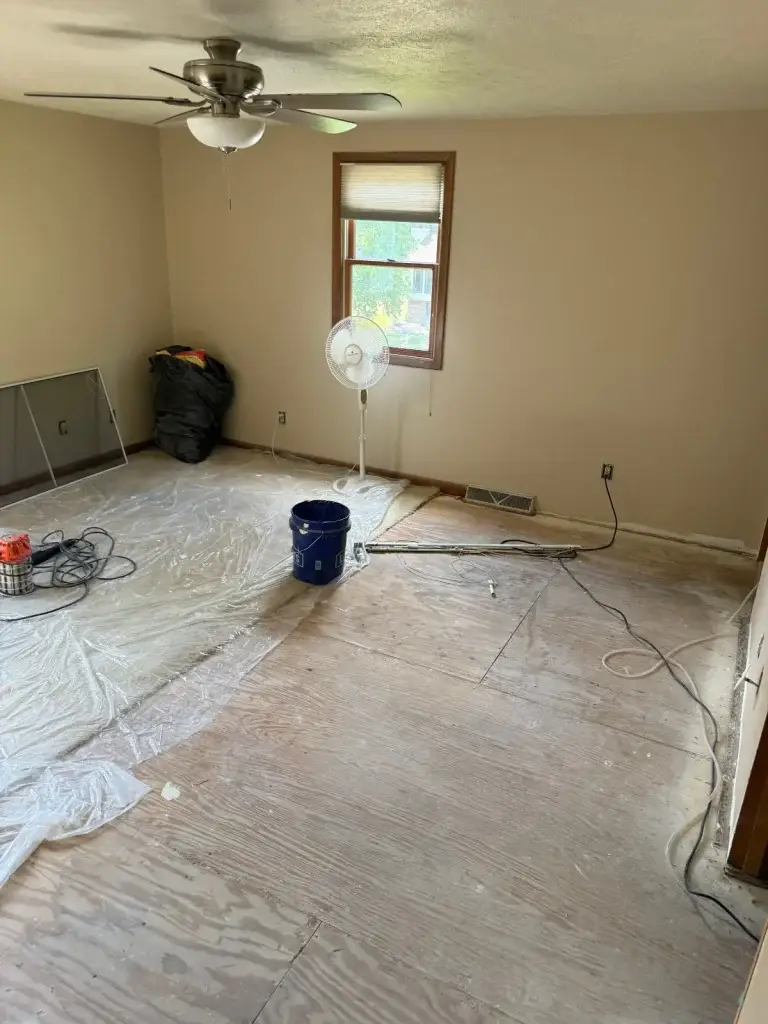
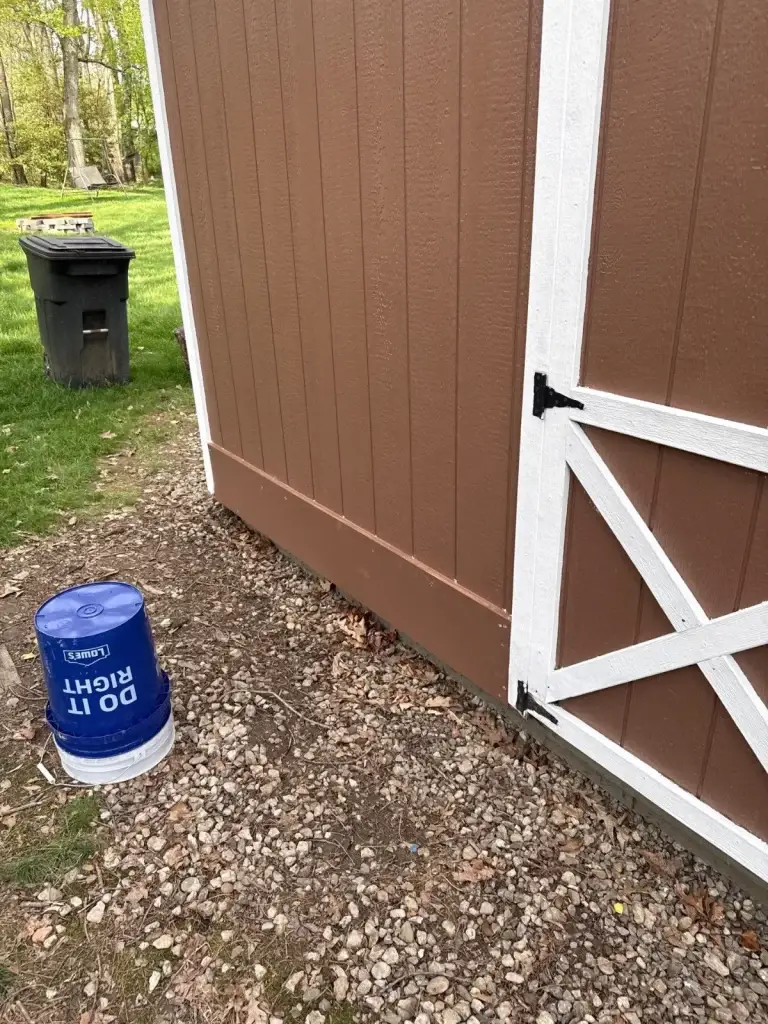
Most house painting jobs in older Pittsburgh-area homes aren't just about color, they involve a wall that needs patching, a stain that needs sealing, or a cabinet that needs stripping first. We handle all of it under one roof: drywall repair, primer matched to the surface, and a finish coat, without juggling a separate contractor for each step.
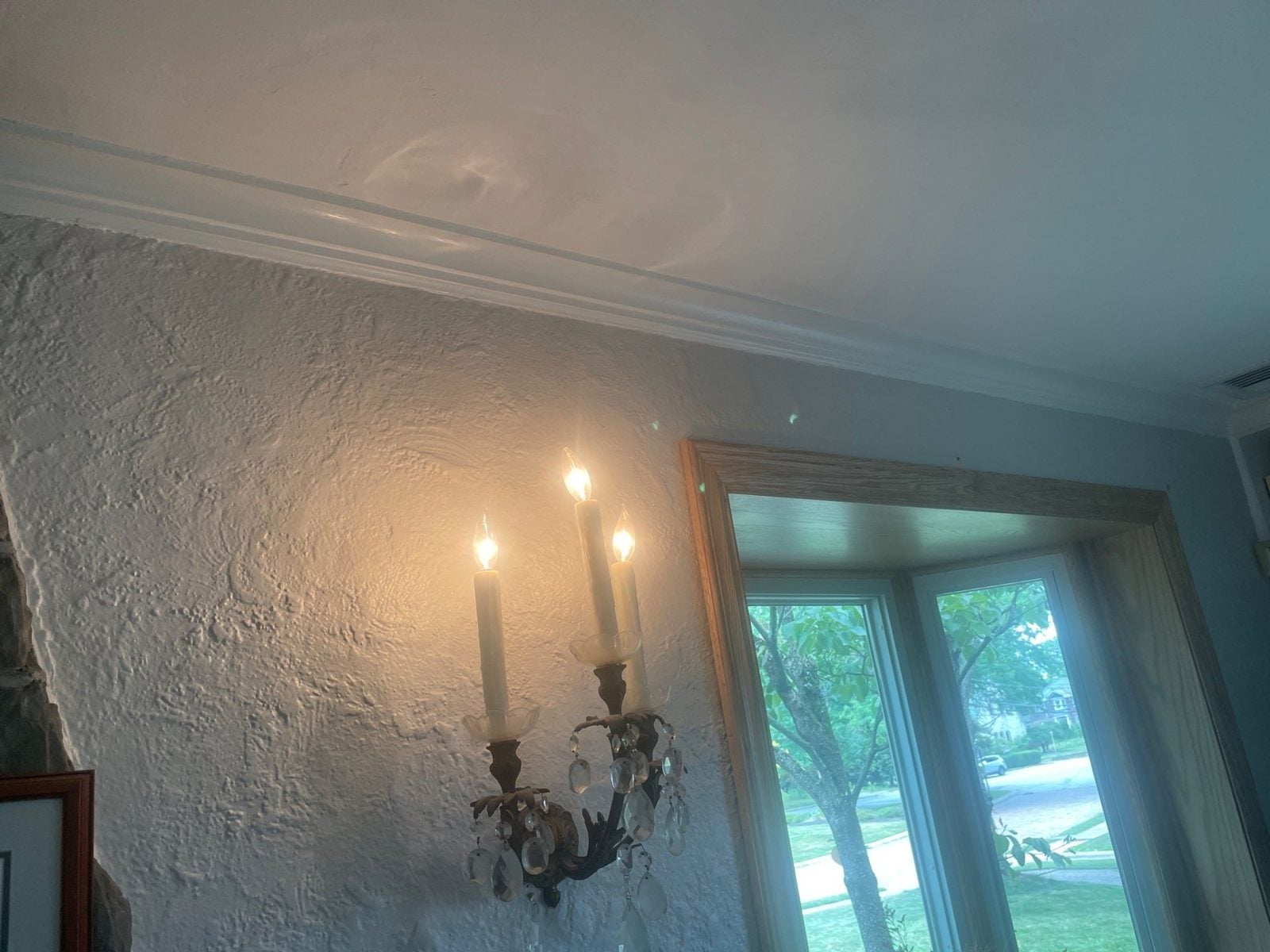
If a wall, ceiling, or cabinet needs work before it needs color, the same crew handles the repair and the paint, so nothing gets lost between two different companies.
Inside, our crew paints walls, ceilings, trim, doors, windows, railings, and built-ins, and refinishes cabinets: degreasing, sanding, bonding or priming, then spraying on a hard-drying finish that holds up to daily use. Drywall repair and texture matching are part of the same job, not a separate line item, and we reach for a stain-blocking primer whenever a water mark, nicotine stain, or a substrate that just came out of remediation needs to be sealed before color goes over it.
Outside, we handle trim, doors, shutters, and smaller facade touch-ups and recoats, using a primer matched to the substrate and built for Pittsburgh's freeze-thaw weather. A full-facade repaint or a large-scale exterior project gets scoped separately or referred to the right resource, since that's a different scale of job than trim and touch-up work.
Because we grew out of restoration and repair work, post-remediation painting is routine for us, not a specialty add-on: checking that a substrate is actually dry before it gets primed, sealing whatever staining is left behind, and finishing kitchens, bathrooms, and laundry rooms with a coating built for humidity. For pre-1978 homes, which describes a lot of the older housing stock across our service area, our crew follows lead-safe work practices and coordinates with certified partners as needed. None of that means a job has to start with a repair, though, plenty of the painting we do is simply a homeowner ready for a new color.
Painting is really a prep job with a finish coat at the end. Here's the sequence we follow to make sure the finish actually holds.
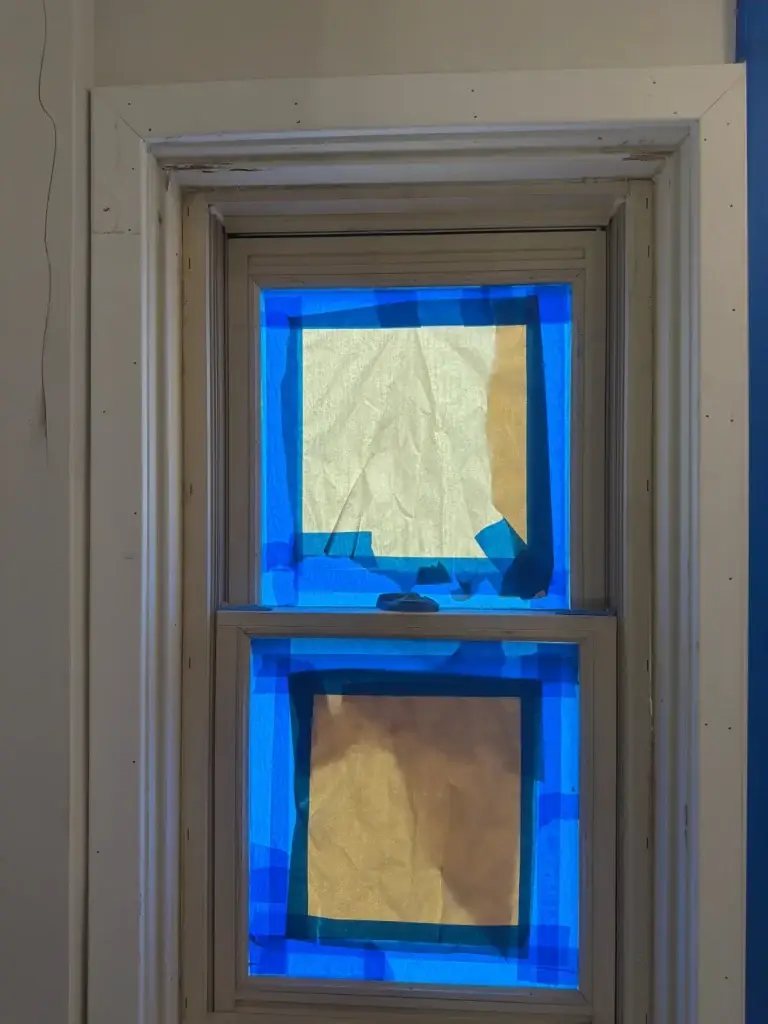
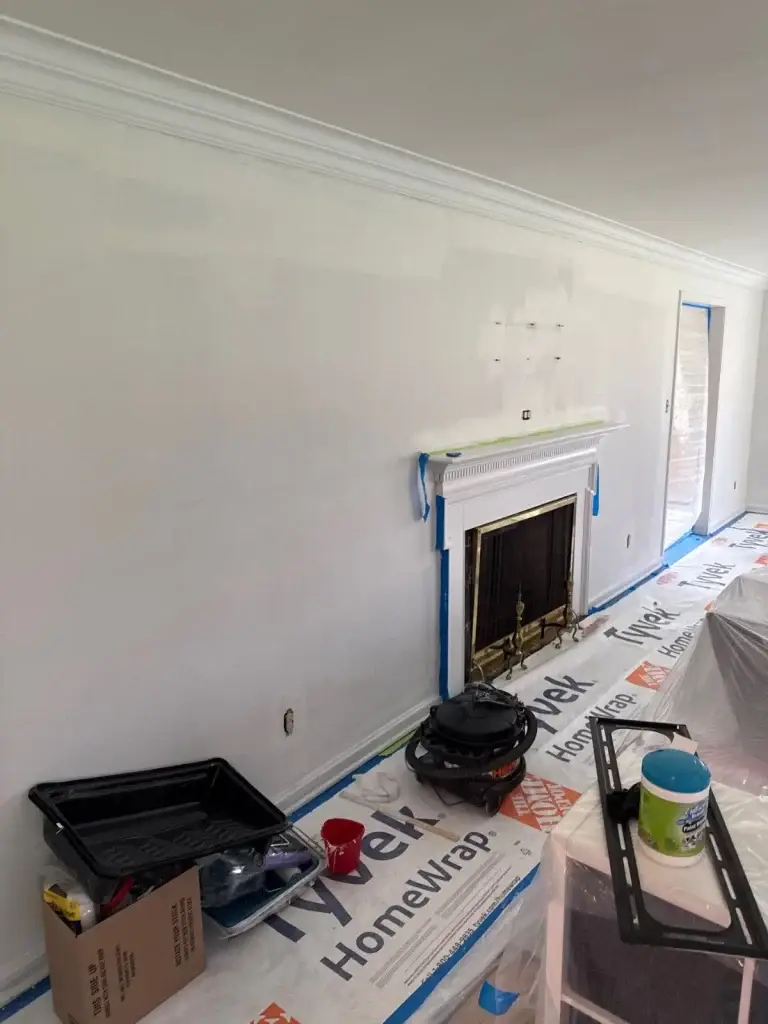
Floors, furniture, fixtures, and hardware get masked and covered before anything else starts, with full containment set up when the job calls for it.
Drywall gets patched, sanded, caulked, and texture-matched. Gaps get filled and corner bead gets corrected, so what's under the paint is actually sound.
We choose a bonding, high-build, or stain-blocking primer based on what's underneath, whether that's bare drywall, a water stain, a post-remediation surface, or old siding.
Finish coats go on by brush, roller, or sprayer depending on the surface, with sheen and coverage kept consistent wall to wall.
We clean up daily, not just at the end. Once the last coat is done, we walk the space for touch-ups and leave labeled paint cans on-site for later.
Interior, exterior, or somewhere in between, here's how our approach shifts depending on the job.
Walls, ceilings, trim, doors, windows, railings, and built-ins, plus full cabinet refinishing: degrease, sand, bond or prime, then spray on a durable finish.
Patching, sanding, caulking, and texture matching happen as part of the paint job, so a repaired wall and an untouched one finish looking identical.
Trim, doors, shutters, and smaller facade recoats, primed for Pittsburgh's weather. Large full-exterior repaints get scoped separately.
We verify a substrate is dry, seal any remaining staining, and finish kitchens, bathrooms, and laundry rooms with a coating built to handle humidity.
For pre-1978 homes, our crew follows lead-safe work practices and coordinates with certified partners as needed, common across our older service area.
Matte or eggshell for walls, satin or semi-gloss for trim and doors, flat for ceilings, and a hard-drying enamel for cabinets. We'll confirm the right call room by room.
Color is the last five percent of the job. The other ninety-five is prep: patching what's damaged, priming for the actual substrate, protecting everything around it, and coming back to check for touch-ups. That's the standard every job gets, whether it's one room or a full interior.
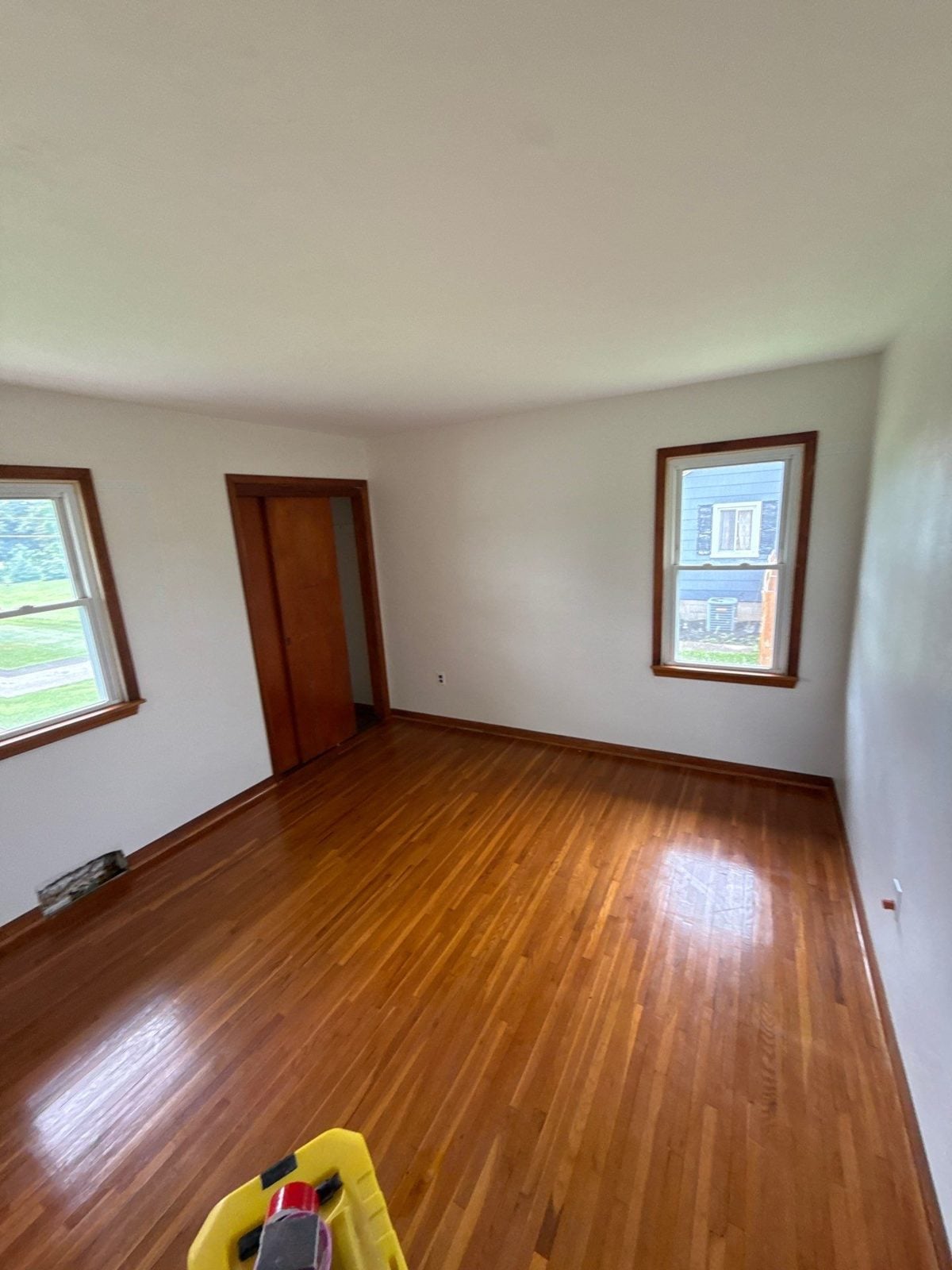
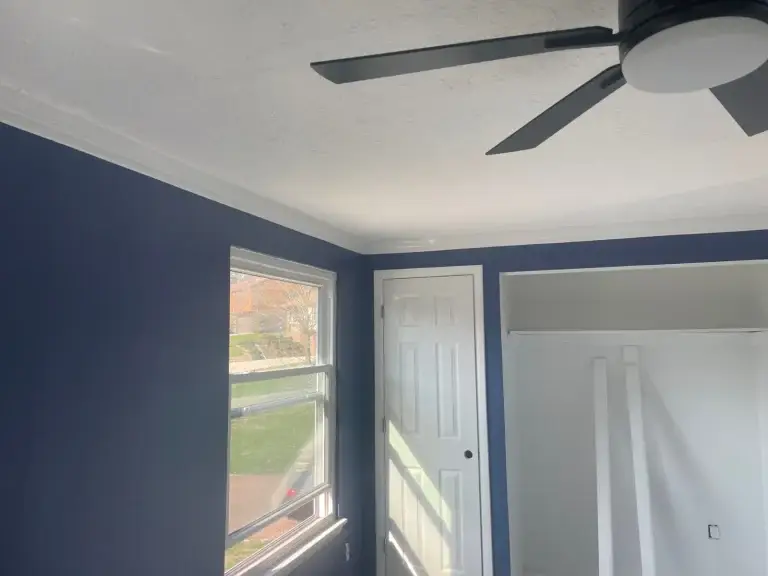
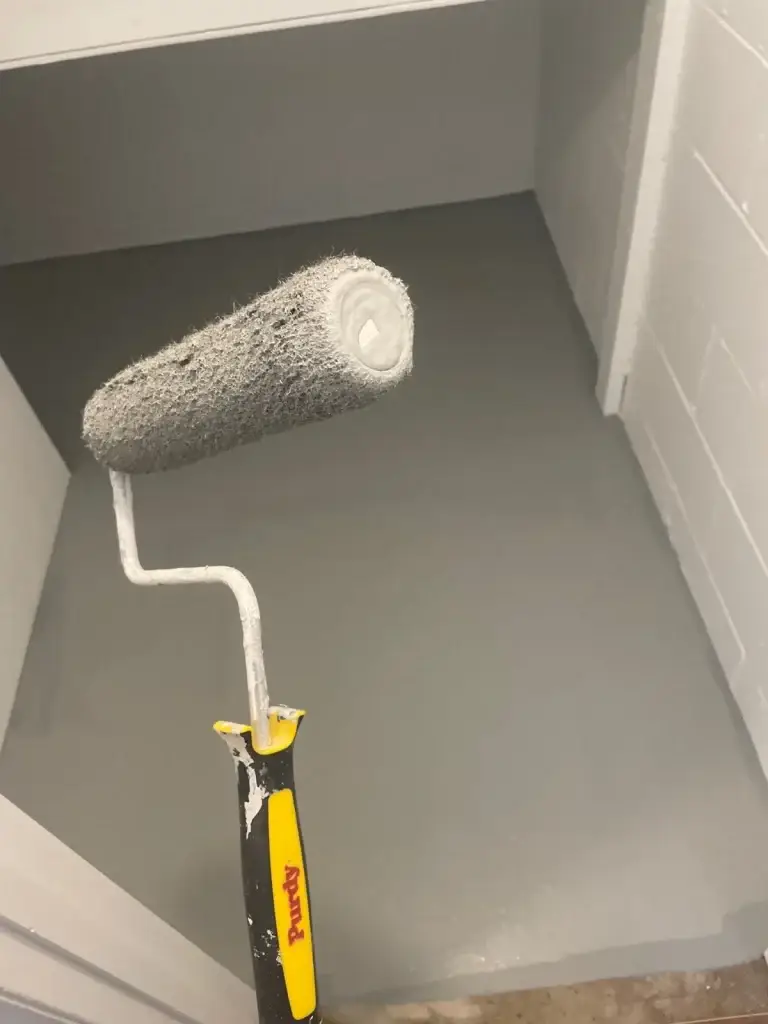
Interior and exterior painting from recent jobs, including the prep and repairs that happen before the first coat.
Common questions homeowners ask before booking a painting job with us.
It depends on the size of the space, how many coats and colors are involved, and how much surface repair is needed first, so we don't publish a flat rate. We offer a free, no-obligation estimate so you know the real cost before any work is scheduled.
Yes, this is one of the things we're asked for most. We verify the substrate is fully dry, seal any remaining staining with the right primer, and finish with a coating tough enough for the room, so a patched wall doesn't telegraph through the paint later.
It varies by scope. A single room is often a day or two once prep is done, while a full interior or a multi-room repaint takes longer. We'll give you a specific timeline at your estimate.
Yes, for trim, doors, shutters, and smaller exterior touch-ups and recoats, matched to a primer that holds up to Pittsburgh's weather. For a full-facade repaint or large-scale exterior project, we'll scope it separately or point you to the right resource, so you get a crew set up for that scale of work.
As a general rule: matte or eggshell for walls (eggshell wipes clean easier), satin or semi-gloss for trim and doors, flat for ceilings, and a hard-drying enamel or catalyzed coating for cabinets. We'll confirm the right sheen for each surface at your consultation.
Yes, low- and zero-VOC finishes are available and are what we typically recommend for kitchens, bathrooms, and other high-traffic rooms.
For homes built before 1978, we follow lead-safe work practices and coordinate with certified partners as needed, since older housing stock across our service area often means older paint layers underneath.
Get a free, no-obligation estimate and color consultation, whether it's one repaired wall or the whole interior.