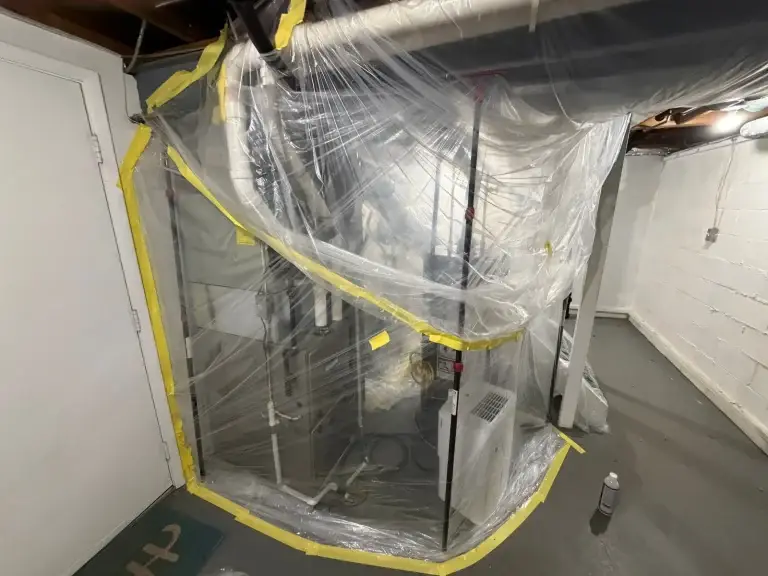
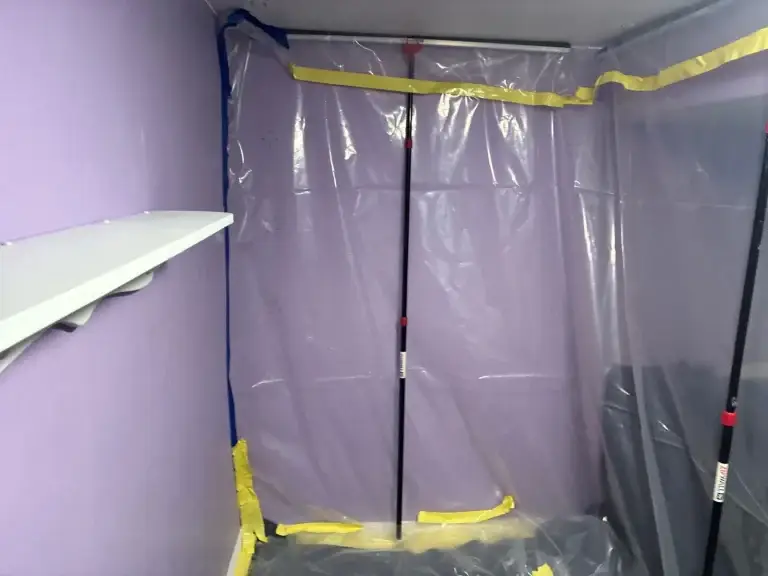
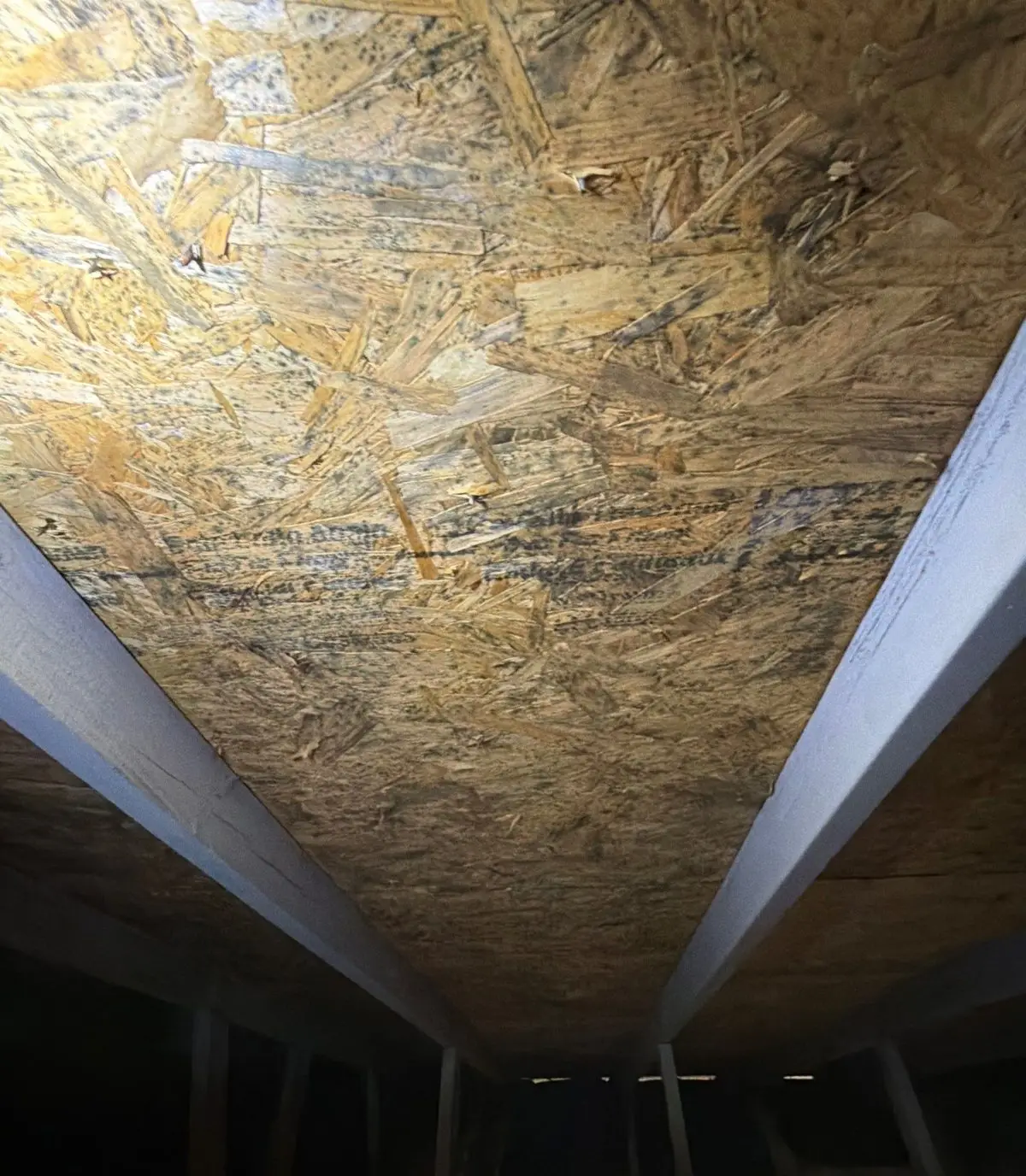
If you or your doctor suspect mold exposure could be a factor in your indoor environment, we handle the property side, not the medical side: dust and air sample testing through an independent lab, negative-air containment, specialized cleaning, and HEPA and activated carbon air purification for the sources a standard mold job doesn't always reach, with documented results you can share with your physician.
We send the dust and air samples we collect to ProLab, an independent environmental testing lab, for analysis, so you and your physician are working from third-party lab data, not our word alone.
We want to be direct about what this service is and isn't. Steel City Property Restoration is a property remediation contractor. We are not a medical provider, and nothing on this page or in our work should be read as a diagnosis, a treatment, or a claim that mold or mycotoxins caused any specific illness. What we do is test for, locate, and remove the environmental sources in a building capable of producing mycotoxins, so a physician working with a patient has real, lab-documented information about the property they're spending time in.
Mycotoxin testing usually starts one of two ways: a homeowner already knows they have a mold problem and wants it addressed more thoroughly than a single-room cleanup, or a physician or specialist has raised environmental sources linked to mold growth as something worth ruling out. Either way, we start the same: collecting dust and air samples from the rooms your household uses most, since those are the areas most likely to reflect day-to-day exposure, and sending them to ProLab for independent lab analysis rather than guessing at which sources matter.
There's a technical reason mycotoxin work is a different job than a standard mold call. Mold spores themselves are relatively large, and typical cleanup and filtration are built to catch them. Mycotoxins are much smaller. They can attach to ordinary household dust and settle into carpet, upholstery, insulation, and ductwork, well past the original mold source, which is why a standard single-room mold job doesn't necessarily reach them. That's the reasoning behind the extra steps in this process: negative-air containment to keep dust from spreading while we work, hospital-grade cleaning and HEPA vacuuming that's fine enough to pick up what standard tools leave behind, and HEPA air filtration and duct decontamination to address fine particles already circulating through the property, with activated carbon filtration added for odors and VOCs.
Because humidity, water leaks, and ventilation gaps are usually what let mold take hold in the first place, we also look at whether dehumidification, crawlspace encapsulation, or better air circulation should be part of the plan, so the same conditions don't just bring the problem back. Once work is complete, we retest the space and provide the ProLab results from testing, our clearance documentation, and a written scope of work you can bring back to your own physician or share with your insurer. We're not in a position to tell you what those results mean for your health, that conversation belongs with your doctor, but we can make sure you're walking into it with real data about your property instead of guesswork.
Every mycotoxin management project follows the same eight steps, from dust and air sample testing through final clearance, built around independent lab results rather than a single spot check.
We talk through why mycotoxin exposure is a concern for your property, whether that's a physician's suggestion, a known mold problem, or a general concern about air quality, and explain what a property-side investigation can and can't tell you.
We collect dust and air samples from the rooms your household uses most, the areas most likely to reflect what's actually being breathed day to day, rather than sampling only the one room where mold is visible.
Samples go to ProLab, an independent third-party environmental testing lab, for analysis that guides the remediation plan.
We build a written scope of work covering containment, specialized cleaning, air purification, and moisture-source repair for every source identified on the property, not a spot-treatment of the one area that prompted the call.
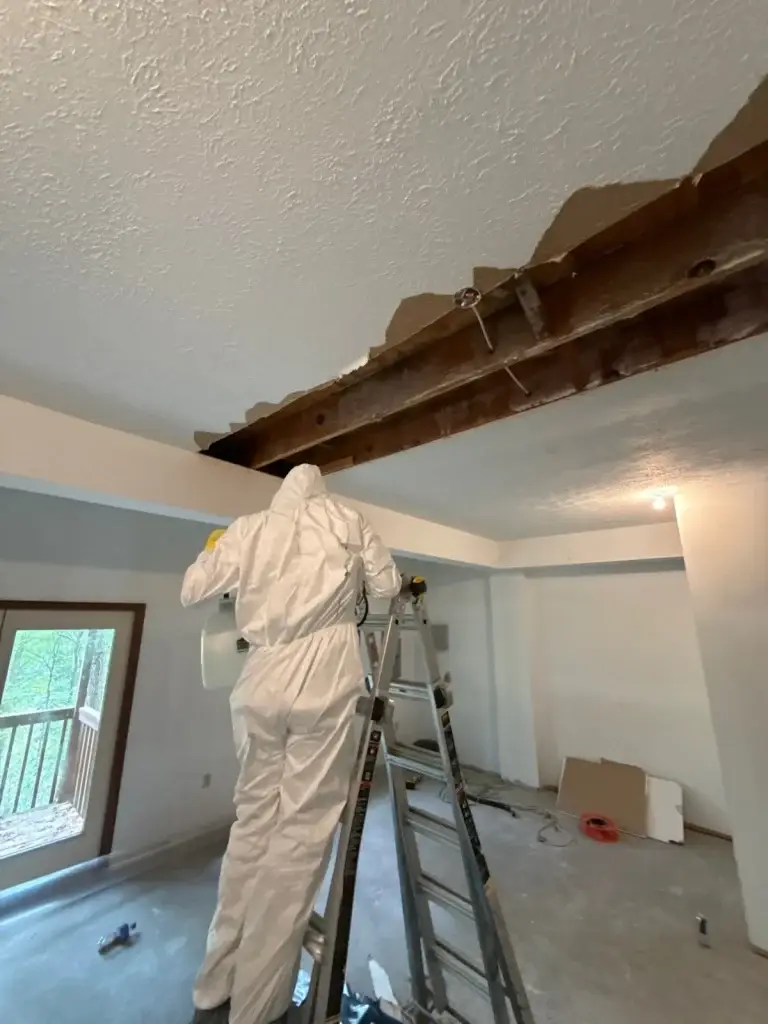
Before cleaning starts, we seal off the work area and run negative air pressure equipment, so airborne dust and spores don't spread to untreated parts of the property while we work.
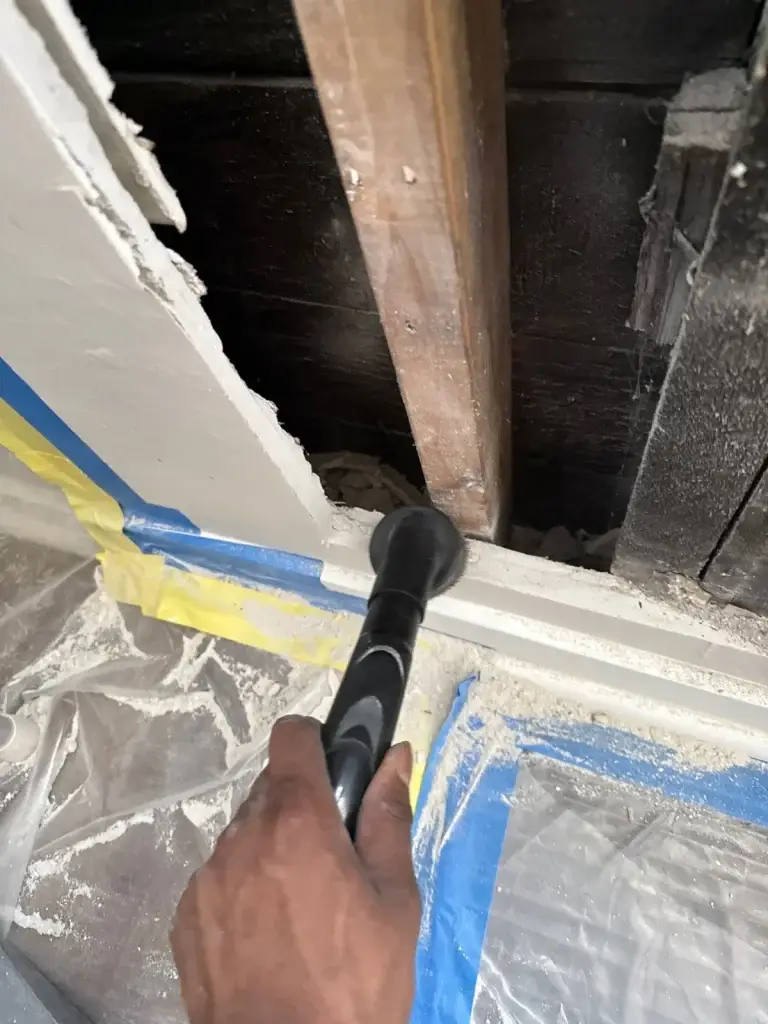
Affected surfaces are treated with hospital-grade biocides and gone over with HEPA vacuums, since ordinary cleaning tools aren't fine enough to capture mycotoxin-carrying dust.
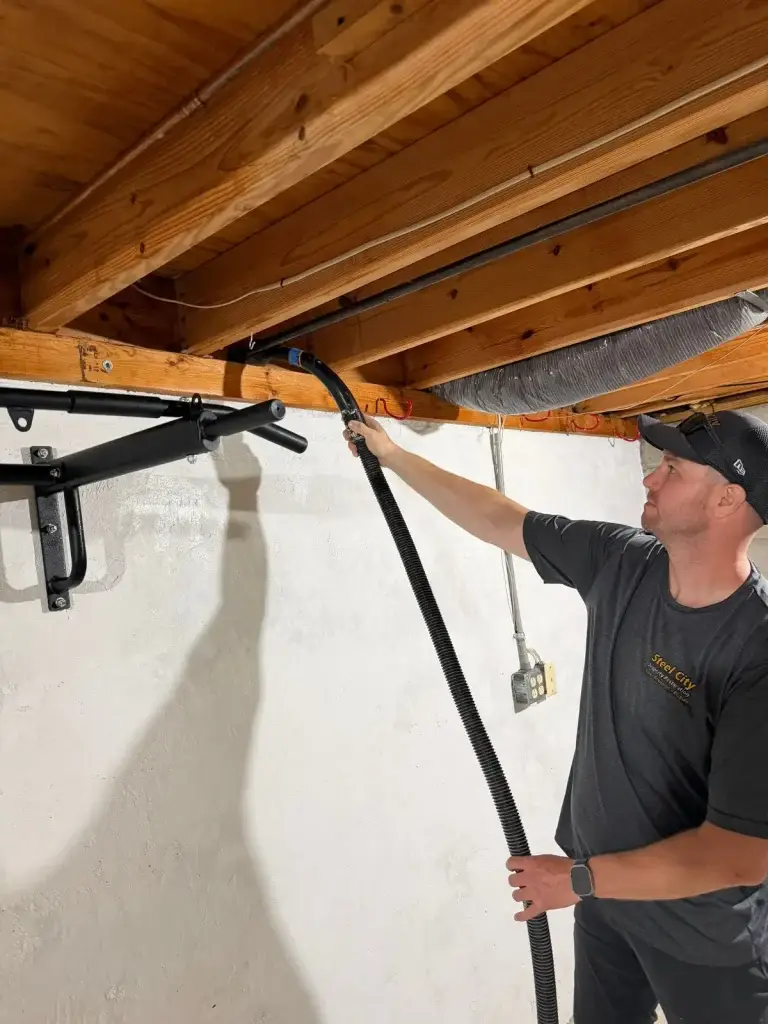
We run HEPA air filtration through treated areas to capture fine, dust-borne particles, add activated carbon filtration for odors and VOCs, and decontaminate ductwork and HVAC components, since a forced-air system can keep recirculating those particles long after visible mold is gone.
Once work is complete, we retest the treated areas and provide clearance documentation confirming the identified sources were addressed, which you can share with your physician or insurer as supporting documentation.
Because mycotoxins ride on dust rather than staying put like mold itself, a full property job covers testing, containment, cleaning, and prevention, not just the one visible source.
We collect samples from the rooms you use most and send them to ProLab for independent testing, rather than guessing at which mold sources actually matter.
We walk and document every room, closet, crawlspace, and storage area of the property, building a complete picture of active mold sources instead of stopping at the first one we find.
Negative air pressure equipment seals off the work area during remediation, keeping airborne dust and spores from spreading to untreated parts of the property.
HEPA filtration runs through treated areas to capture the fine, dust-borne particles that standard mold cleanup can leave behind, with activated carbon added for odors and VOCs.
A forced-air system can circulate dust-borne particles from a hidden source throughout the whole property. We inspect and decontaminate ductwork, coils, and air handlers as a standard part of the job.
Dehumidification, crawlspace encapsulation, and improved air circulation address the humidity, leaks, and ventilation gaps that let mold take hold in the first place.
A full mycotoxin testing and remediation job takes more time and more discipline than a single-room mold call. We built our process around that, with independent lab results at every stage and a crew that won't tell you more than those results actually support.
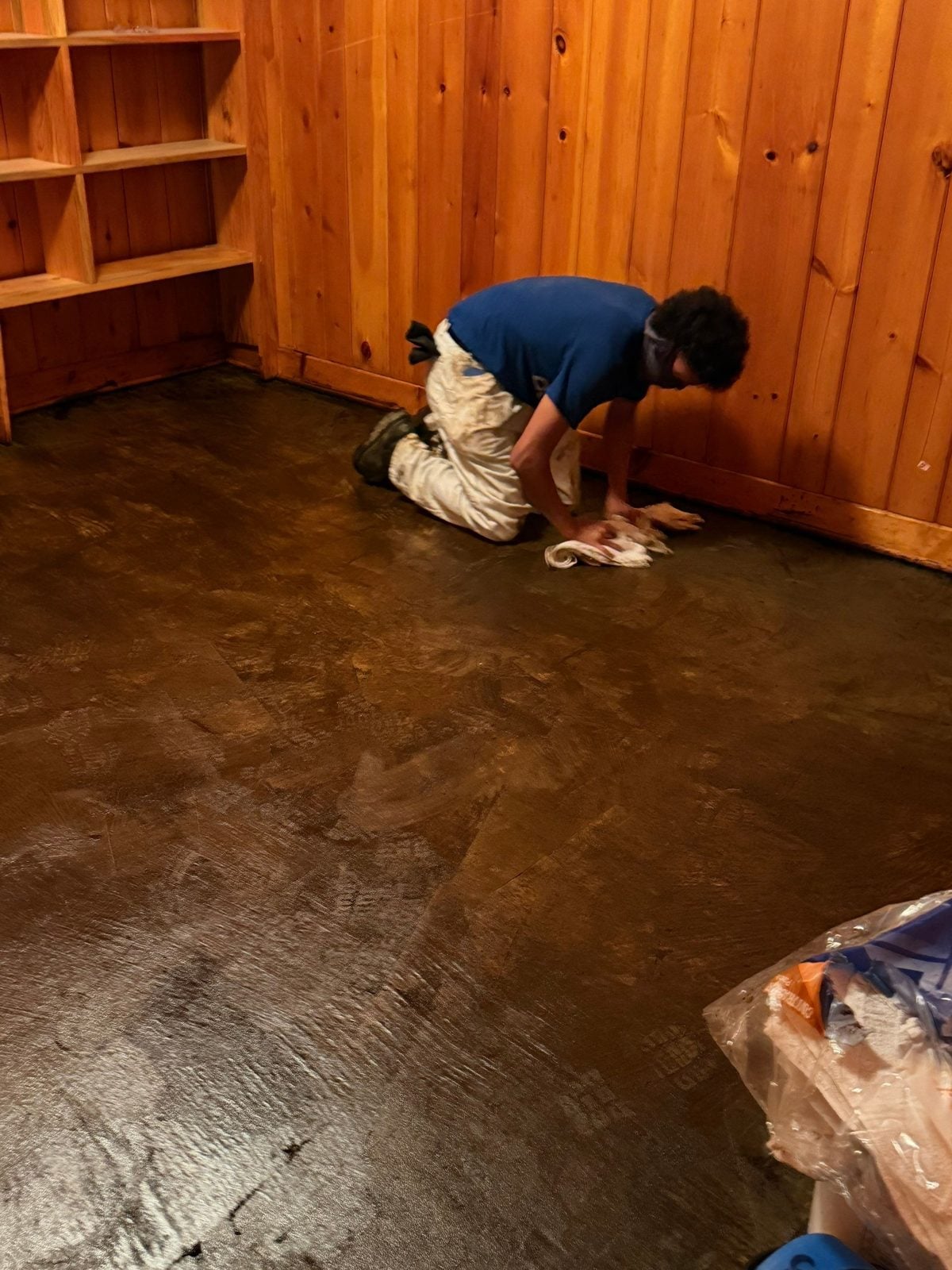
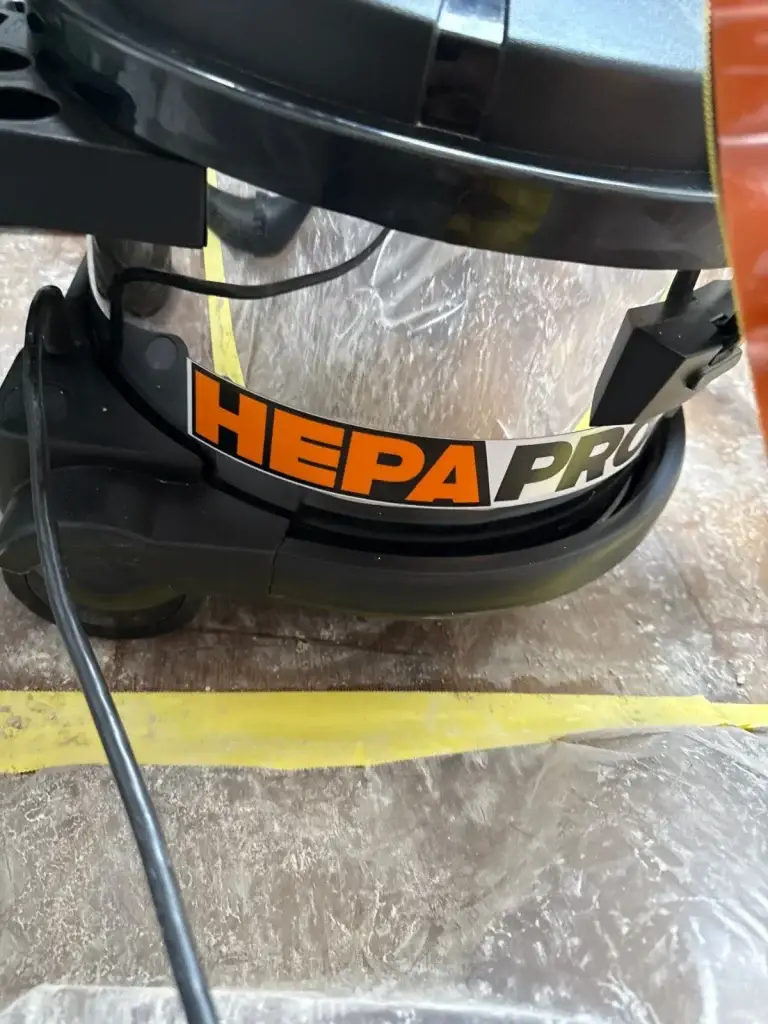
HEPA cleaning, containment and antimicrobial treatment from recent jobs where removing the source was the priority.
Common questions we hear before starting a mycotoxin management project. We've tried to be as clear as possible about where our role starts and ends.
Mycotoxin management is the property-side process of testing for, identifying, and removing mold sources capable of producing mycotoxins, using dust and air sampling, independent lab analysis, specialized cleaning, and containment. It's a property service, not a medical treatment: we investigate and remediate the building, we don't diagnose or treat any illness.
We collect dust and air samples from the rooms you use most, the areas most likely to reflect everyday exposure, and send them to ProLab, an independent lab, for analysis. You receive the lab's findings directly, not just our opinion.
Mold spores are large enough that standard cleanup and filtration generally capture them. Mycotoxins are much smaller, they attach to ordinary household dust and can settle into carpet, upholstery, insulation, and ductwork well beyond where the mold itself was growing. That's why mycotoxin management uses finer HEPA filtration, hospital-grade cleaning, and duct decontamination that a standard single-room mold job doesn't include.
No. Whether any symptom is related to mold or mycotoxin exposure is a medical question only your physician can answer, and we don't diagnose, treat, or make claims about what caused any illness. We handle the property side: sampling, independent lab testing through ProLab, and removing what's found. We work alongside your doctor's guidance, we don't replace it.
Yes. After testing, we provide the independent ProLab lab results and a written scope of work. After remediation, we retest and provide clearance documentation, so you have records to share with your physician or insurance company.
Most mold and mycotoxin problems start with humidity, water leaks, or poor ventilation. Depending on what our inspection finds, we can address those root causes as part of the same project, dehumidification, crawlspace encapsulation, and improved air circulation, so remediation isn't undone by the same conditions that caused it.
It varies significantly depending on how many sources are found across the property and how extensive each one is. It's typically longer than a single-room mold job because the inspection, testing, containment, and air purification all cover the whole property. We'll give you a specific timeline once the inspection and testing are complete.
Get a free, no-obligation consultation and find out what dust and air sample testing, independent lab results, and a full remediation plan can tell you.