A burst pipe, a flooded basement, or a leaking roof doesn't wait for business hours, so neither do we. We're on call 24/7 for water emergencies across the Pittsburgh area, with a full in-house crew that extracts the water, dries the structure, and rebuilds what got damaged, all as one job.
Moisture readings guide every step of drying, and a ProLab check is available any time contamination or lingering moisture is a concern.
Water damage is a race against time. The longer standing water sits, the further it travels into subfloors, drywall, and framing, and the more likely it is to turn into a second problem like mold. That's why our water damage restoration process starts with extraction the moment we arrive, not an estimate first and a plan for later.
We're a Pittsburgh-area general contractor with in-house water damage restoration capability, not a call center that dispatches a subcontractor and disappears once the water is gone. From the first extraction to the last coat of paint, the same crew stays on the job, which means one point of contact and one warranty instead of juggling a restoration company and a separate contractor.
Every job is verified with moisture meter readings rather than a set number of days on a calendar, so drying is confirmed as actually complete, not just assumed. If the source or duration of the water intrusion raises any concern about mold, our ProLab partnership gives us an independent way to check before we close the job out.
Our crew brings 30+ years of combined hands-on experience to water damage jobs of every size, from a single water heater leak to a whole basement flood. We're available 24/7 across our full 60-mile service area around Pittsburgh, because water damage doesn't wait for a convenient time to happen.
Every water damage job, from a single leak to a full flood, follows the same six steps. It's how we make sure the structure actually dries and the damage doesn't come back as mold.
A technician assesses the source and category of the water, then extracts any standing water immediately to stop further damage.
Moisture meters map how far the water traveled behind walls and under flooring, and the readings are documented for your insurance claim.
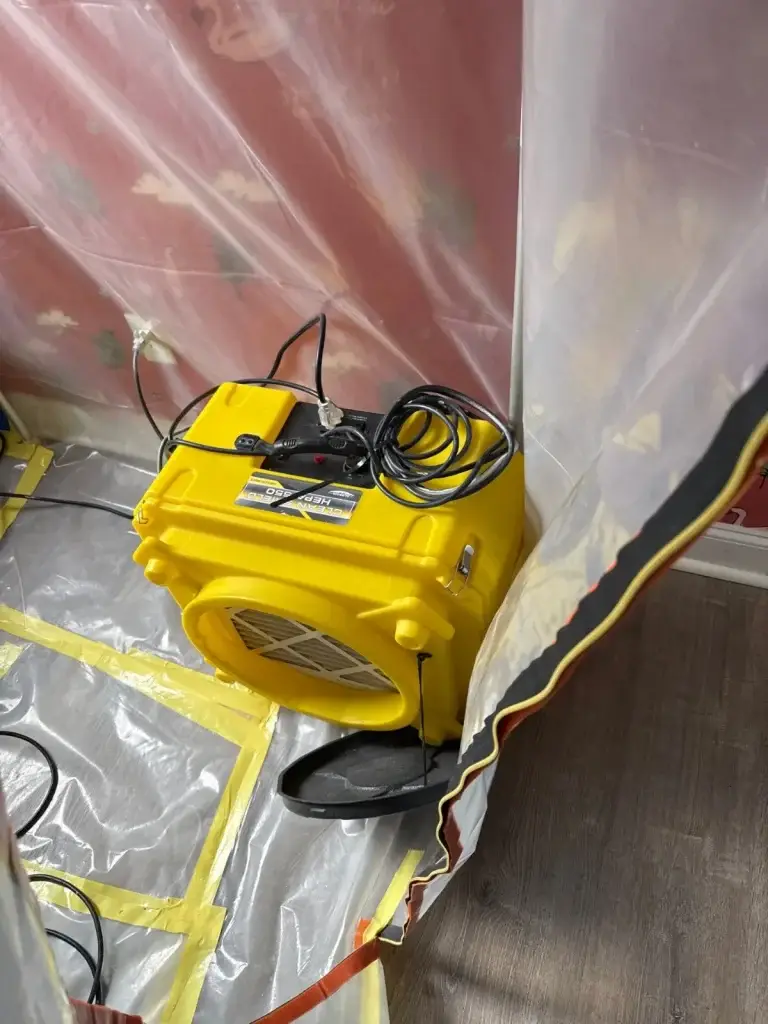
Industrial air movers and dehumidifiers dry the structure back down to normal moisture levels, with progress monitored and logged daily.
If drying isn't keeping pace or contamination is a concern, a ProLab check confirms mold risk before it turns into a second problem on top of the water damage.
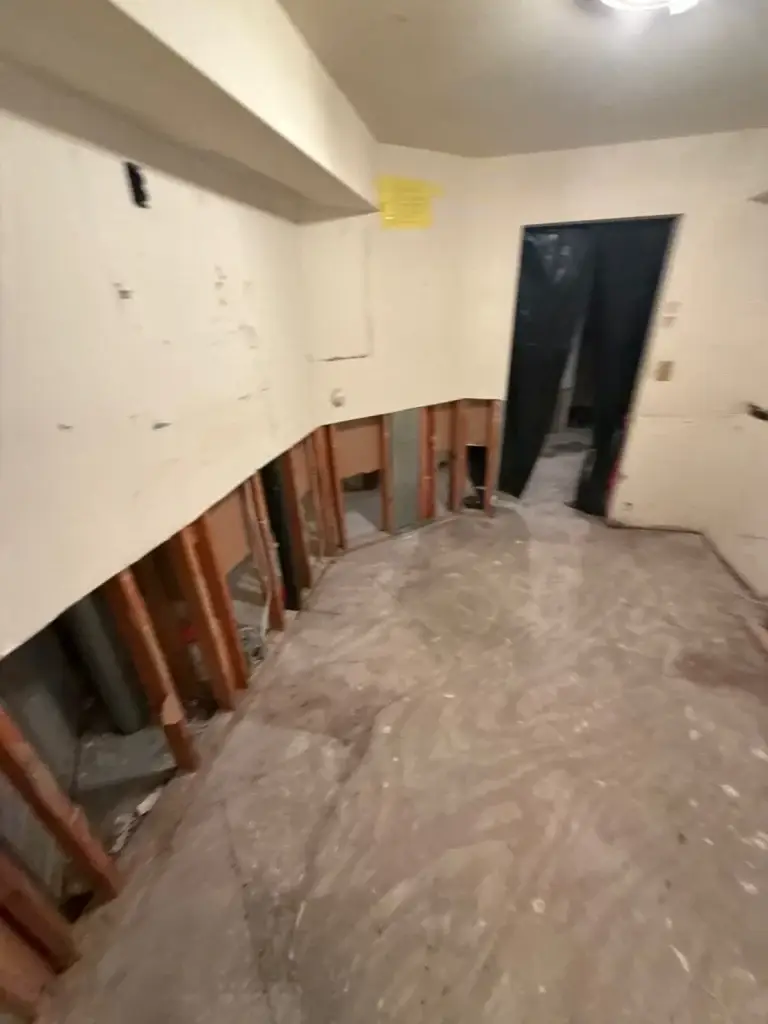
Wet drywall, flooring, or insulation that can't be saved is removed, and the affected area is sanitized before rebuild work starts.
The same in-house crew rebuilds drywall, flooring, trim, and cabinetry, so there's no separate contractor to bring in for the repair phase.
Water damage doesn't have one cause or one look. Here's how our approach shifts depending on what happened and where.
A burst pipe can put hundreds of gallons into a home in minutes. We extract fast, coordinate with your plumber on the source if needed, and start drying before the water spreads further.
Whether it's a spring storm or a failed sump pump, basement flooding gets pumped out, dried, and checked for the moisture that likes to hide behind finished walls and under carpet.
Wind-driven rain and roof leaks often show up as a stain on the ceiling long before the real extent of the damage is visible. We trace it back, dry the structure, and coordinate any needed roof repair.
A failed water heater, washing machine hose, or dishwasher line can soak flooring and subfloor before anyone notices. We extract, dry, and rebuild whatever the leak reached.
Sewage backups carry contamination risk on top of the water damage itself, so these jobs get extraction, sanitization, and material removal handled with extra care from the start.
Offices, rentals, and small commercial buildings get the same extraction-first, moisture-verified process, scheduled around your tenants' or employees' hours whenever possible.
Plenty of companies can run a fan. Fewer will verify the drying with an actual meter, watch for mold risk along the way, and rebuild what the water damaged without handing you off to another contractor. That's the difference we're built around.
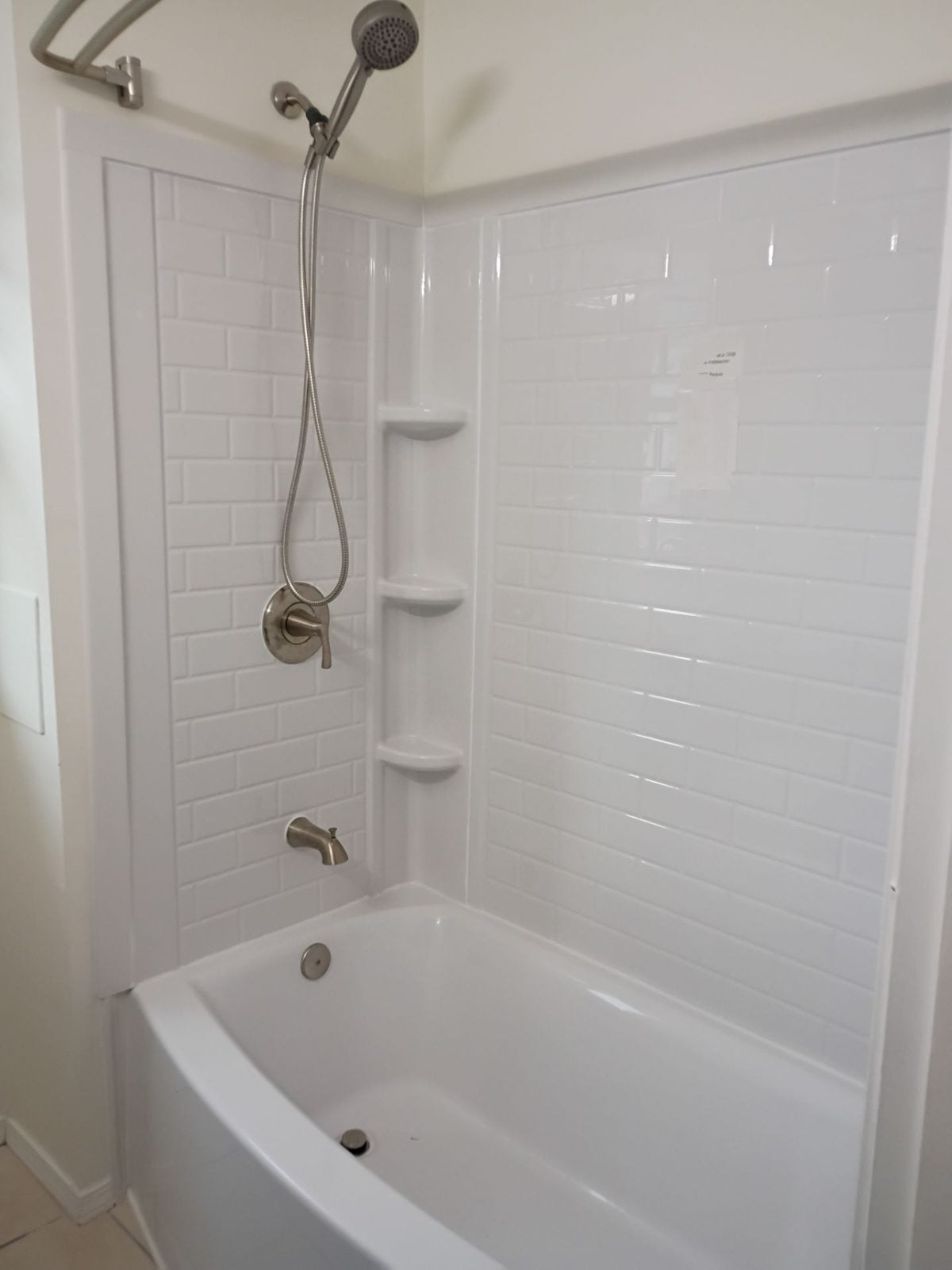
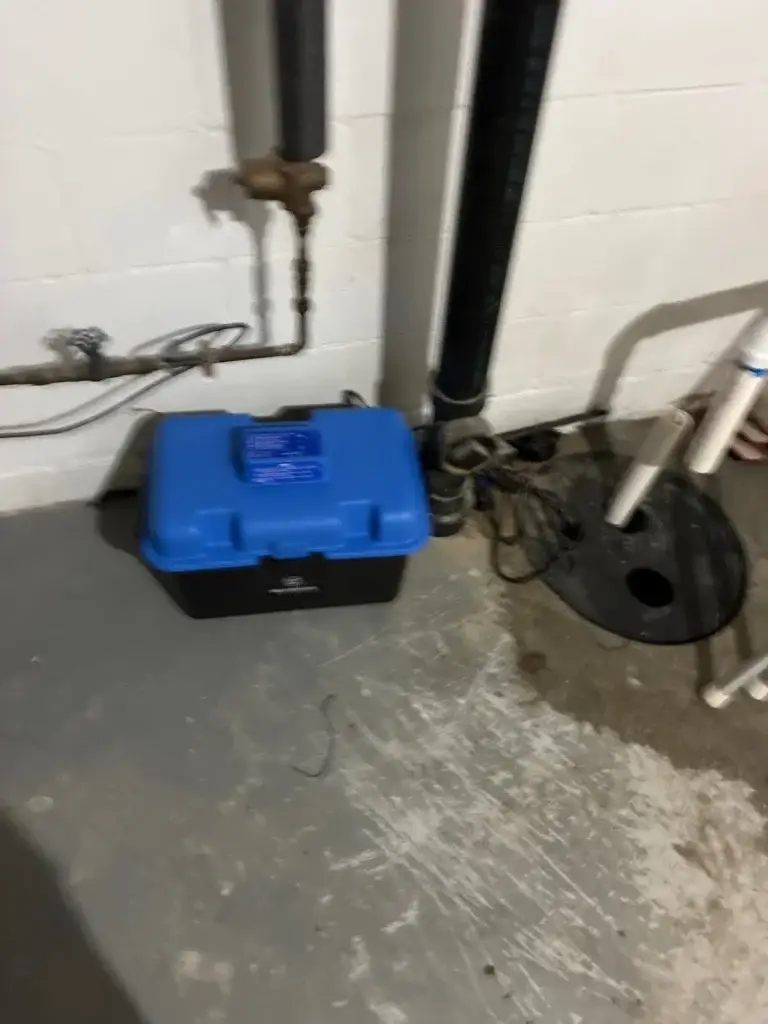
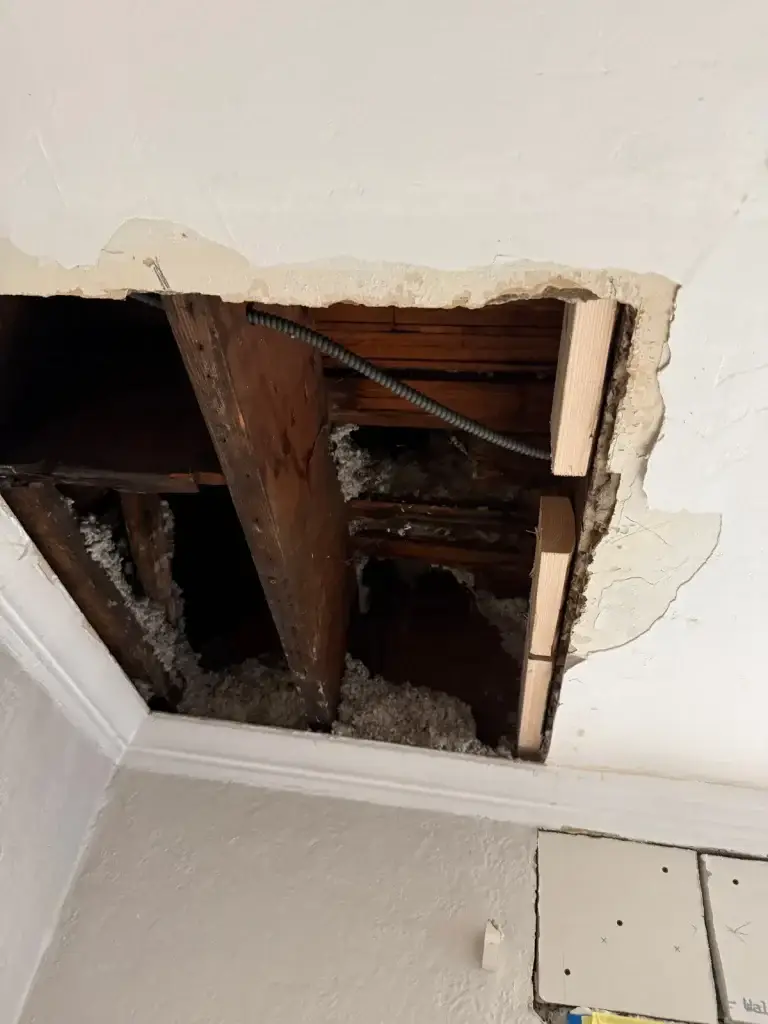
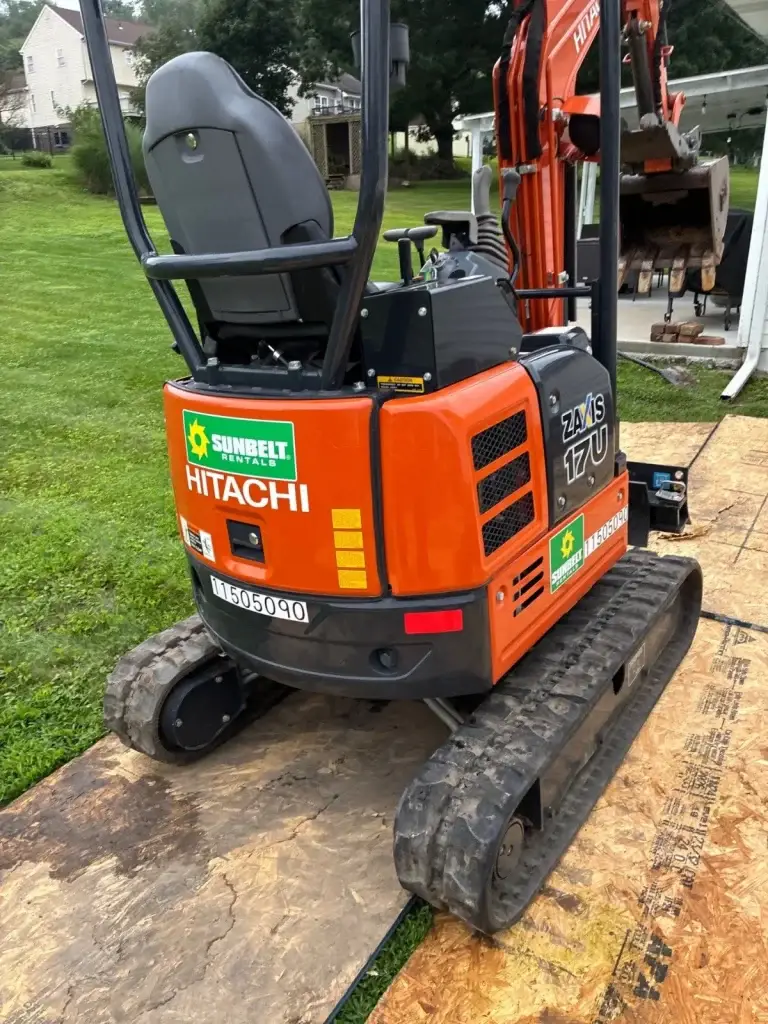
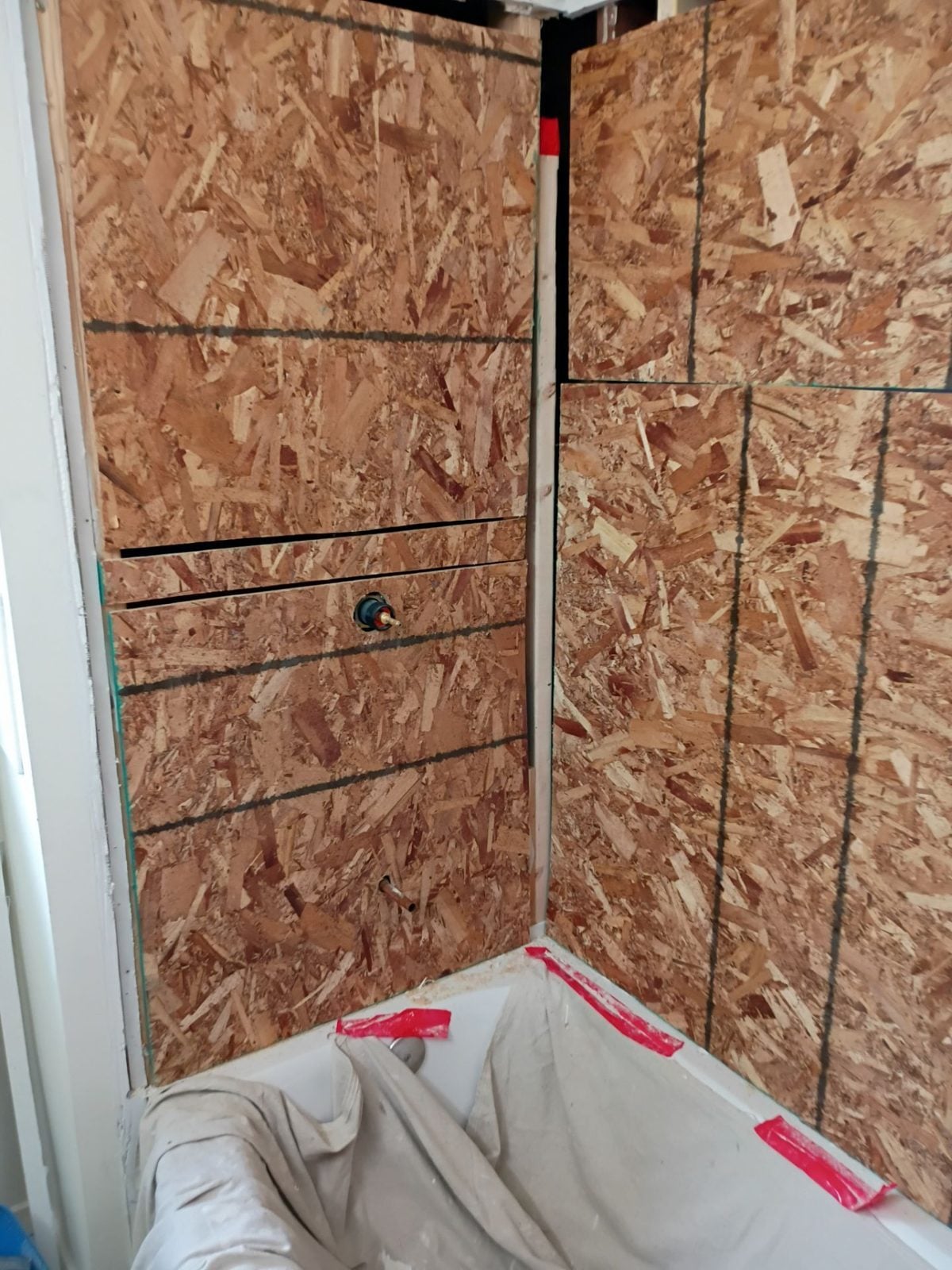
From drying equipment and flood cuts to new drains and sump pumps, here is what water damage restoration looks like on our job sites.
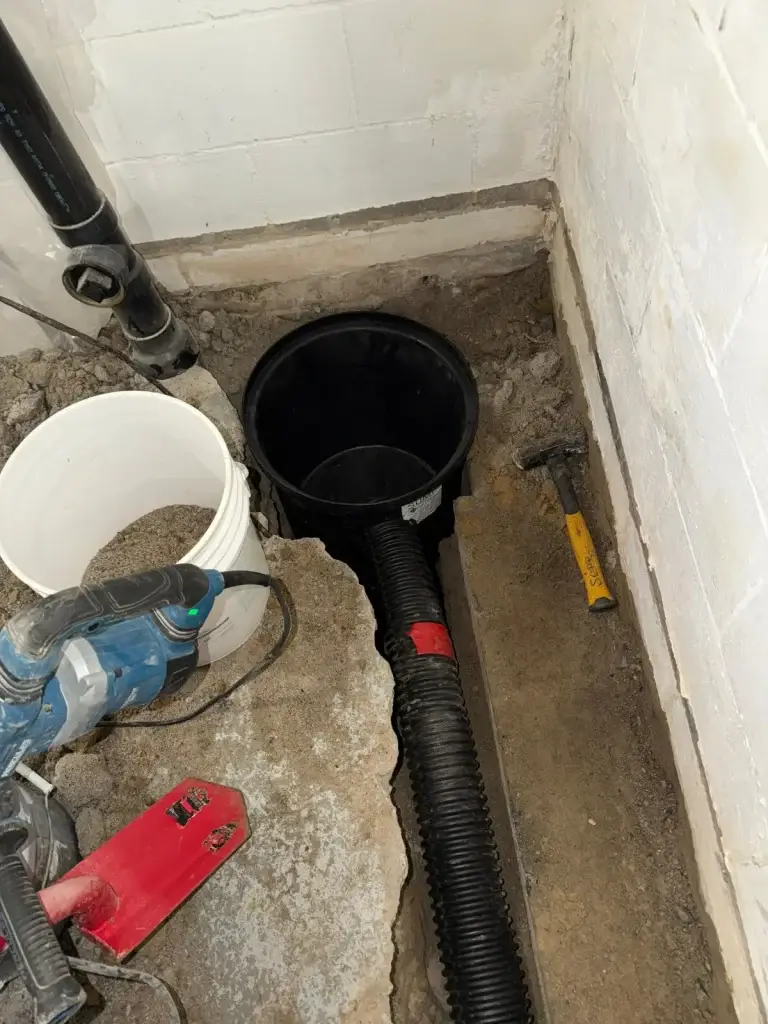
Common questions homeowners ask when they're dealing with a water emergency for the first time.
We're available 24/7 for water damage emergencies, and we aim to be on-site the same day in most cases. The sooner water is extracted, the less damage it does to floors, drywall, and framing, so we treat response time as a priority.
It depends on your policy and what caused the water damage. Sudden, accidental events like a burst pipe are usually covered, while damage from a gradual leak you didn't know about is often not. We document the source and extent of the damage to help support your claim either way.
Cost depends on how much water is involved, how far it traveled, and what materials were affected, so we don't publish a flat rate. Every job starts with a free, no-obligation on-site inspection and quote.
Structural drying typically takes three to five days, depending on how much area and which materials were affected. We verify with moisture readings before we consider a space fully dry, rather than guessing based on a set schedule.
Water damage restoration is the emergency extraction, drying, and rebuild work that follows a leak, flood, or burst pipe. If moisture sits too long during that process, it can lead to mold, which is a related but separate service we also handle.
Yes. Our full in-house crew handles the drywall, flooring, and trim rebuild once drying is complete, so you're not coordinating a separate contractor after the restoration work wraps up.
Get a free, no-obligation inspection and find out exactly what got wet, how far it traveled, and what it'll take to dry it out and rebuild.